
Staying Safe in a Connected Digital World
Online safety is an essential part of protecting yourself from scams, identity theft, account compromise, and financial fraud. As more daily activities move online, criminals increasingly use websites, emails, social media platforms, messaging applications, and mobile apps to target individuals and steal sensitive information.
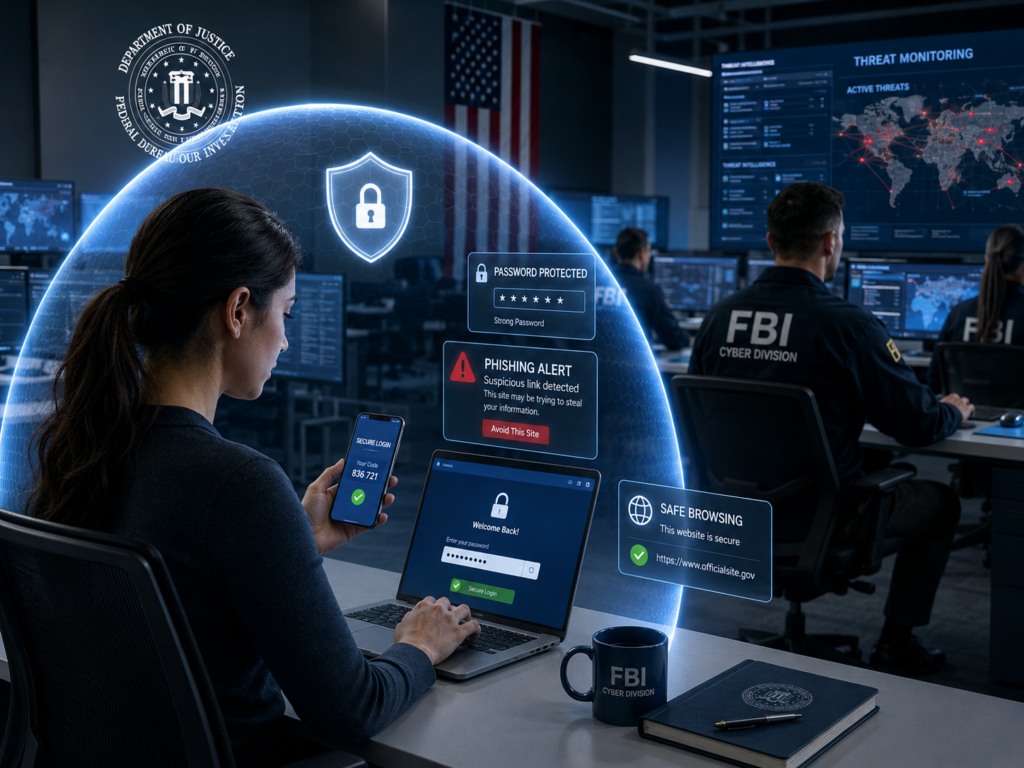
Many online scams do not begin with an obvious request for money. They often start with a message, a link, a fake profile, a suspicious website, or an offer that appears helpful, urgent, or financially attractive. Understanding how to recognize risky online behavior can help reduce your exposure to fraud.
Why Online Safety Matters
Scammers use digital platforms to reach victims quickly and anonymously. A single suspicious link or unsafe login can expose personal information, financial accounts, cryptocurrency wallets, or private communications.
Practicing online safety helps protect against:
• Phishing attacks
• Account takeover
• Identity theft
• Investment scams
• Romance scams
• Fake customer support scams
• Malware and remote access scams
• Cryptocurrency wallet theft
• Unauthorized financial transactions
Online safety is not only about technology. It also requires caution, verification, and awareness before trusting online messages, platforms, or individuals.
Be Careful With Unexpected Messages
Scammers often contact victims through text messages, emails, social media, WhatsApp, Telegram, dating apps, or online advertisements. These messages may appear friendly, professional, urgent, or official.
Be cautious if someone you do not know:
• Offers investment opportunities
• Claims your account has a problem
• Sends links asking you to log in
• Requests personal or financial information
• Asks you to move the conversation to another app
• Promises easy money or guaranteed profits
• Claims to represent a government agency, bank, exchange, or support team
Unexpected contact should always be verified before you respond, click, or share information.
Think Before You Click
Fraudulent links are one of the most common ways scammers steal information. A link may lead to a fake login page, malware download, fraudulent investment platform, or wallet-draining website.
Before clicking a link:
✓ Check the sender carefully.
✓ Look for misspelled website names.
✓ Avoid links from unknown messages.
✓ Type official website addresses directly into your browser.
✓ Be cautious of shortened links.
✓ Do not download attachments from unknown sources.
✓ Avoid logging in through links sent by email or text.
If a message creates fear or urgency, stop and verify it independently.
Use Strong Account Security
Many online scams become more damaging when criminals gain access to email, banking, social media, or cryptocurrency accounts. Strong account security can reduce the risk of unauthorized access.
Recommended practices include:
✓ Use a unique password for each account.
✓ Enable multi-factor authentication.
✓ Use a trusted password manager.
✓ Avoid sharing verification codes.
✓ Review login activity regularly.
✓ Remove old devices from your accounts.
✓ Update passwords after suspicious activity.
Your email account is especially important because it may be used to reset passwords for other services.
Protect Your Devices
Phones, computers, and tablets often contain sensitive personal information. Keeping devices secure is an important part of online safety.
Basic device safety steps include:
✓ Keep software and apps updated.
✓ Use screen locks and biometric protection.
✓ Avoid installing unknown apps.
✓ Do not allow remote access from strangers.
✓ Use trusted security tools when appropriate.
✓ Avoid public Wi-Fi for financial activity.
✓ Back up important information securely.
If someone asks you to install screen-sharing or remote-access software, treat the request as highly suspicious.
Be Cautious on Social Media
Social media platforms are frequently used by scammers to build trust, impersonate others, and promote fraudulent investment opportunities.
To stay safer online:
✓ Limit public personal information.
✓ Review privacy settings.
✓ Be careful accepting friend requests from strangers.
✓ Do not share financial information publicly.
✓ Be skeptical of investment posts and success stories.
✓ Watch for fake profiles using stolen photos.
✓ Avoid sending money to people you have only met online.
Scammers often study social media profiles to make their messages more convincing.
Verify Online Platforms Before Sending Money
Fraudulent websites and apps can look professional. Some fake platforms display account balances, investment charts, customer service chats, and fabricated profits to create confidence.
Before using any platform:
✓ Research the company independently.
✓ Confirm official registration where applicable.
✓ Search for complaints and warnings.
✓ Verify the website address carefully.
✓ Avoid platforms promoted only through messaging apps.
✓ Be skeptical of guaranteed profits.
✓ Test withdrawals before depositing larger amounts.
If a platform requires additional payments before allowing withdrawals, it may be fraudulent.
Protect Your Cryptocurrency Wallet
Cryptocurrency transactions can be difficult to reverse, making wallet safety especially important.
To protect your wallet:
✓ Never share your seed phrase.
✓ Never enter private keys on unknown websites.
✓ Verify wallet connection requests.
✓ Avoid unknown airdrops or token claims.
✓ Review smart contract permissions.
✓ Use hardware wallets for significant holdings.
✓ Be cautious of fake wallet support agents.
Anyone who asks for your seed phrase or private key is likely attempting to steal your funds.
Recognize Common Warning Signs
Online fraud often includes repeated warning signs. Be alert if you notice:
⚠ Pressure to act immediately
⚠ Requests for cryptocurrency payments
⚠ Guaranteed returns or risk-free investments
⚠ Requests for passwords or verification codes
⚠ Difficulty withdrawing funds
⚠ Fake customer support representatives
⚠ Unusual links or website addresses
⚠ Requests to keep the situation secret
⚠ Demands for additional fees, taxes, or deposits
When multiple warning signs appear together, stop communication and preserve evidence.
What To Do If You Suspect Online Fraud
If you believe you are being targeted by an online scam:
- Stop communicating with the suspected scammer.
- Do not send additional money.
- Do not click further links.
- Change passwords for affected accounts.
- Enable multi-factor authentication.
- Contact your bank or financial institution if payments were made.
- Save screenshots, messages, links, receipts, and wallet addresses.
- Report suspicious activity through official channels.
Acting quickly may help reduce further loss and prevent additional exposure.
Public Safety Advisory
The Scam Center Strike Force encourages the public to stay alert when using online platforms, messaging applications, social media, and financial services. Scammers constantly adapt their methods, but many schemes rely on the same basic tactics: trust, urgency, secrecy, and pressure.
Online safety begins with verification. Before clicking a link, sending money, sharing information, or trusting an online contact, take time to confirm the source independently.
Report Suspicious Activity
If you encounter suspicious online activity, preserve all relevant information, including website links, phone numbers, email addresses, social media profiles, wallet addresses, transaction records, screenshots, and chat conversations.
Reporting suspicious activity helps investigators identify fraud patterns, disrupt scam networks, and protect future victims from online financial harm.