
Safeguarding Your Personal Information From Online Fraud
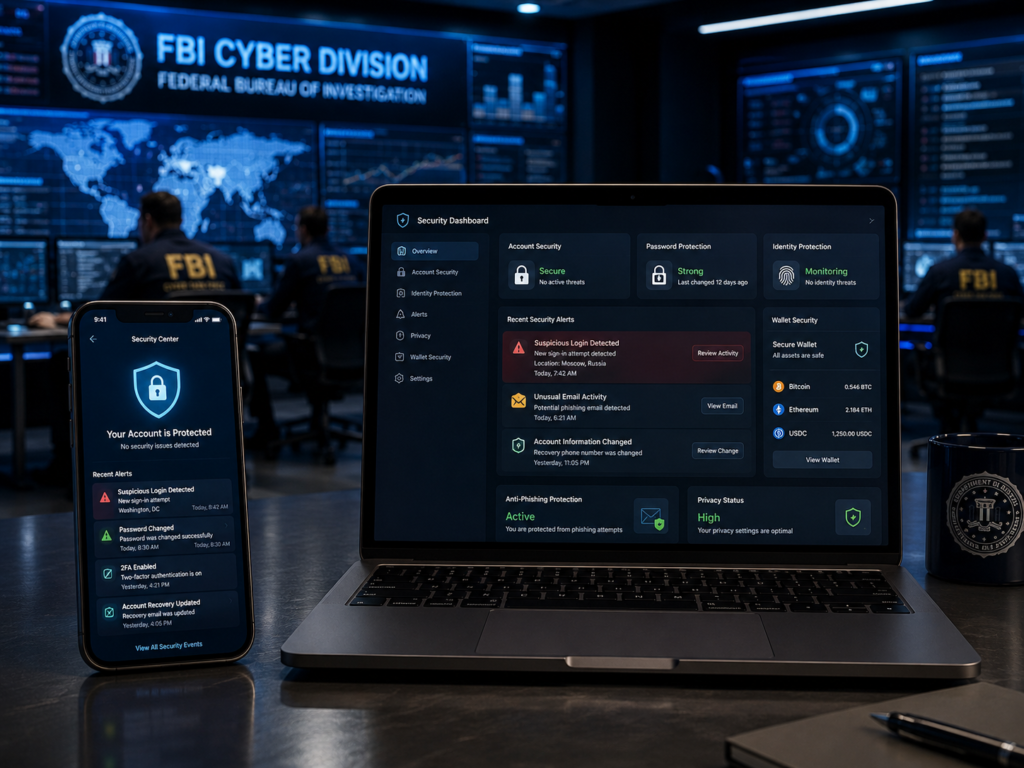
Protecting your privacy is one of the most important steps in preventing online scams, identity theft, cryptocurrency fraud, and financial exploitation. Modern scammers often rely on stolen personal information to impersonate trusted organizations, access accounts, manipulate victims, and commit additional crimes.
Personal information such as your phone number, email address, identification documents, banking details, passwords, and cryptocurrency wallet data can be used by criminals to target you more effectively. Once this information is exposed, scammers may attempt repeated contact through phone calls, text messages, social media, email, or messaging applications.
Why Privacy Protection Matters
Online scam networks collect and share victim information across multiple fraud operations. A person targeted by one scam may later be contacted by other criminals pretending to be recovery agents, customer support representatives, investment advisors, or law enforcement officials.
Protecting your privacy helps reduce the risk of:
• Identity theft
• Account takeover
• Financial fraud
• Cryptocurrency wallet theft
• Phishing attacks
• Recovery scams
• Unauthorized access to personal accounts
• Repeated targeting by scam networks
Information Scammers Commonly Target
Fraudsters often attempt to collect:
• Full name
• Date of birth
• Phone number
• Email address
• Home address
• Government ID documents
• Bank account details
• Credit card information
• Passwords
• Verification codes
• Cryptocurrency wallet addresses
• Seed phrases or private keys
• Social media account information
Never assume that a request for personal information is legitimate simply because the message appears professional or urgent.
Never Share Sensitive Account Information
Legitimate organizations will not ask you to provide passwords, one-time verification codes, wallet recovery phrases, or private keys through email, text message, phone call, or messaging apps.
You should never share:
• Passwords
• Two-factor authentication codes
• Wallet seed phrases
• Private keys
• Remote access permissions
• Bank login credentials
• Screenshots of security codes
Anyone requesting this information should be treated as suspicious.
Strengthen Your Online Accounts
Use strong and unique passwords for each account. Avoid reusing the same password across banking, email, social media, cryptocurrency exchange, and investment accounts.
Recommended security practices:
✓ Use a password manager.
✓ Enable multi-factor authentication.
✓ Update passwords regularly.
✓ Avoid saving passwords on shared devices.
✓ Review account login activity.
✓ Remove old or unused accounts.
✓ Use security alerts when available.
A compromised email account can give criminals access to password resets, financial notifications, and personal communications.
Be Careful With Social Media
Scammers often use public social media information to personalize their approach. Details about your job, family, location, travel, investments, or personal relationships can be used to build trust or create convincing scams.
To reduce risk:
✓ Limit public profile visibility.
✓ Avoid posting sensitive financial information.
✓ Be cautious with friend requests from unknown people.
✓ Do not share travel plans in real time.
✓ Review privacy settings regularly.
✓ Be skeptical of investment offers from social media contacts.
Even small personal details can help scammers create a more believable story.
Protect Your Devices
Your phone and computer may contain sensitive information, including saved passwords, documents, photos, emails, financial apps, and cryptocurrency wallets.
Basic device protection steps include:
✓ Keep operating systems updated.
✓ Install security updates promptly.
✓ Avoid downloading unknown applications.
✓ Do not click suspicious links.
✓ Use screen locks and biometric security.
✓ Avoid public Wi-Fi for financial activity.
✓ Back up important information securely.
If a scammer asks you to install remote access software, stop communication immediately.
Watch for Phishing Attempts
Phishing messages are designed to trick you into revealing information or clicking malicious links. These messages may appear to come from banks, cryptocurrency exchanges, delivery companies, government agencies, or customer support teams.
Common phishing warning signs include:
⚠ Urgent account warnings
⚠ Suspicious links
⚠ Requests to verify your identity
⚠ Misspelled domains
⚠ Unexpected attachments
⚠ Threats of account suspension
⚠ Requests for passwords or codes
Always visit official websites directly instead of clicking links in messages.
Cryptocurrency Privacy and Wallet Safety
Cryptocurrency users face additional privacy risks because wallet transactions may be publicly visible on blockchains. Scammers may use wallet activity to identify targets, track holdings, or create fake recovery offers.
Protect your wallet by following these rules:
✓ Never share your seed phrase.
✓ Never enter your private key on a website.
✓ Verify wallet connection requests.
✓ Use hardware wallets for significant assets.
✓ Review smart contract permissions.
✓ Avoid unknown airdrops or token claims.
✓ Be cautious of fake wallet support agents.
Once cryptocurrency is transferred to a scammer-controlled wallet, recovery can be extremely difficult.
What To Do If Your Information Was Exposed
If you believe your personal information has been shared with a scammer:
- Stop all communication.
- Change passwords immediately.
- Enable multi-factor authentication.
- Contact your bank or financial institution.
- Monitor accounts for suspicious activity.
- Preserve all messages and evidence.
- Report suspicious activity through official channels.
- Be alert for recovery scams.
Scammers may contact you again pretending they can help recover funds or remove your information from fraud networks.
Public Safety Advisory
The Scam Center Strike Force encourages the public to treat personal information as a valuable asset. Protecting your privacy can reduce your exposure to online scams, account compromise, financial fraud, and repeated targeting by criminal networks.
Be cautious before sharing information online, verify all requests independently, and never provide sensitive credentials to anyone who contacts you unexpectedly.
Report Suspicious Activity
If you believe your personal information has been used in connection with online fraud, preserve relevant evidence, including emails, text messages, phone numbers, website links, social media profiles, wallet addresses, and transaction records.
Reporting suspicious activity helps identify fraud patterns, disrupt scam networks, and protect future victims.